Preventive health measures are often low-cost and can substantially reduce the incidence of common illnesses. For rural households, practical actions that require minimal resources are especially valuable.High-impact, low-cost practices include:Hand hygiene: Regular handwashing with soap at key times (after using the toilet, before eating, and before preparing food) dramatically reduces infections.Safe drinking water: Boiling water, using simple filtration, or leaving water in sunlight in clear bottles (SODIS) can lower waterborne diseases.Nutrition basics: Encourage dietary diversity using locally available foods; focus...
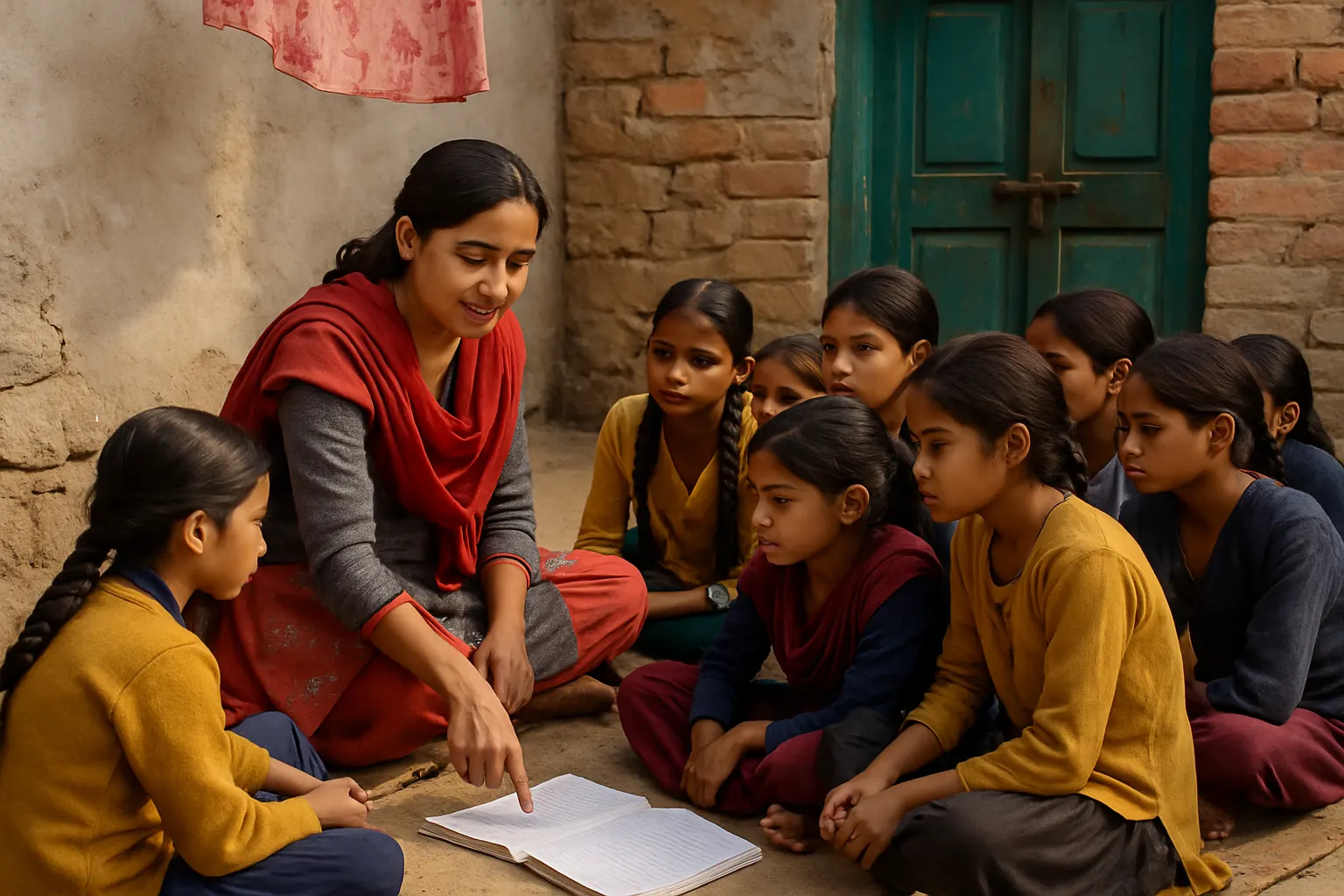
Rural communities often face barriers to consistent formal schooling: seasonal migration, limited local resources, and geographic constraints. Non-formal education (NFE) provides flexible, locally adapted learning opportunities that complement formal schools and support out-of-school children, adolescents, and adult learners.Key practical steps communities and grassroots organizations can take include:Community learning hubs: Use existing community spaces (school rooms after hours, panchayat halls) to run evening or weekend classes aligned with local schedules.Localized curricula: Adapt basic literacy, numeracy, and life-skill modules to local contexts...
Recent Posts
-

Gandhi Jayanti Program 2026
02 October 2026 -

Gandhi Jayanti Program 2026
02 October 2026 -
Gandhi jayanti program 2026
02 October 2026 -

श्री जीवन जोशी जी द्वारा कंप्यूटर डेस्कटॉप सहयोग
15 September 2026 -

🌿 पहाड़ का हुनर, पहाड़ में रोजगार 🌿
31 August 2026