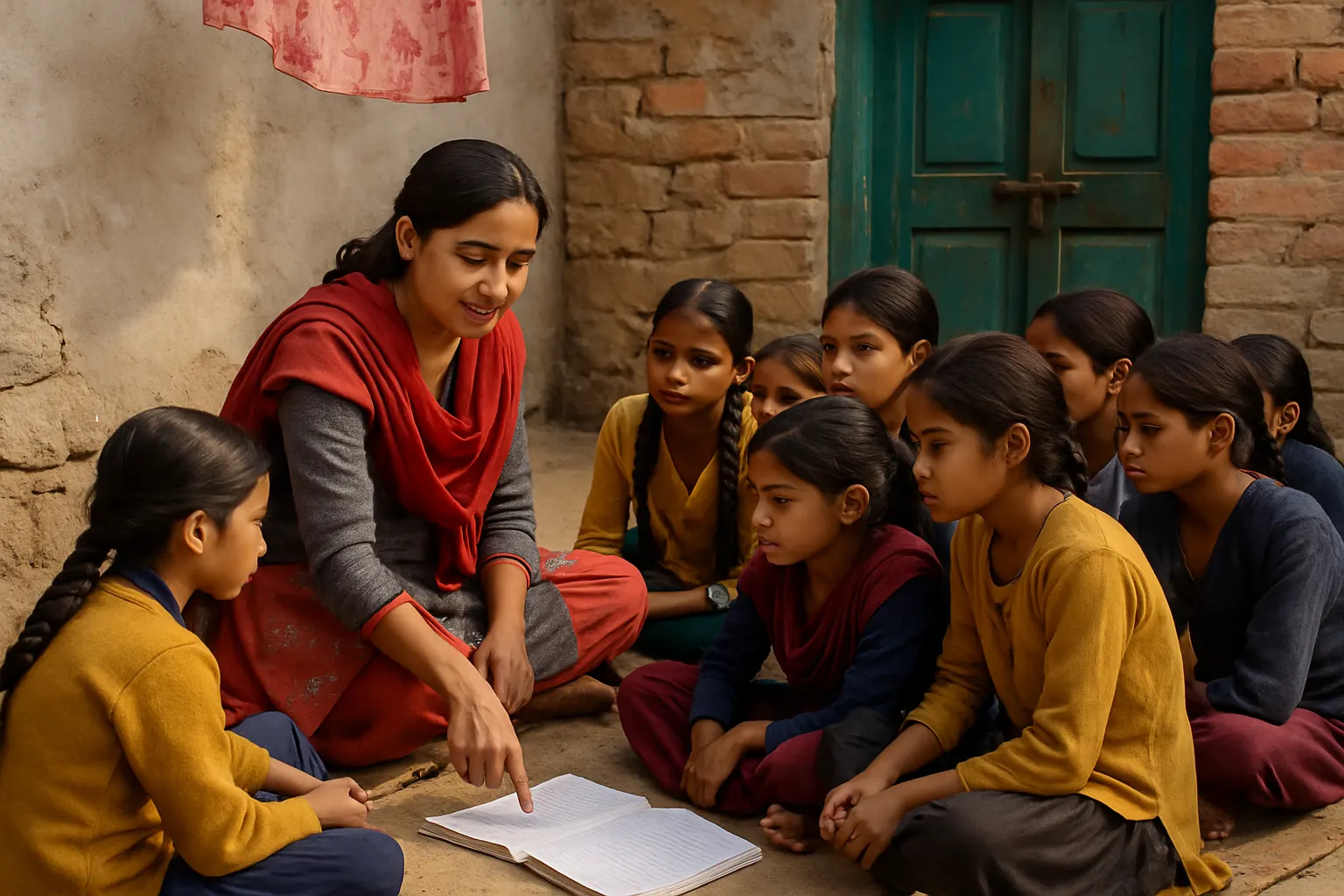
Preventive health measures are often low-cost and can substantially reduce the incidence of common illnesses. For rural households, practical actions that require minimal resources are especially valuable.
High-impact, low-cost practices include:
- Hand hygiene: Regular handwashing with soap at key times (after using the toilet, before eating, and before preparing food) dramatically reduces infections.
- Safe drinking water: Boiling water, using simple filtration, or leaving water in sunlight in clear bottles (SODIS) can lower waterborne diseases.
- Nutrition basics: Encourage dietary diversity using locally available foods; focus on fruits, vegetables, pulses, and micronutrient-rich items for children and pregnant women.
- Sanitation and waste management: Promote proper disposal of household waste and maintenance of latrines to prevent vector breeding and contamination.
- Immunizations and maternal care: Ensure children and expectant mothers follow the local immunization schedule and antenatal visit recommendations; connect with local health workers for support.
- Seasonal awareness: Prepare for seasonal risks (e.g., vector control during monsoon, hydration and heat awareness in summer) with simple household-level measures.
Community awareness sessions, peer-led demonstrations, and involvement of local health volunteers can reinforce these practices. Small behavior changes multiplied across households yield meaningful community-level health improvements.