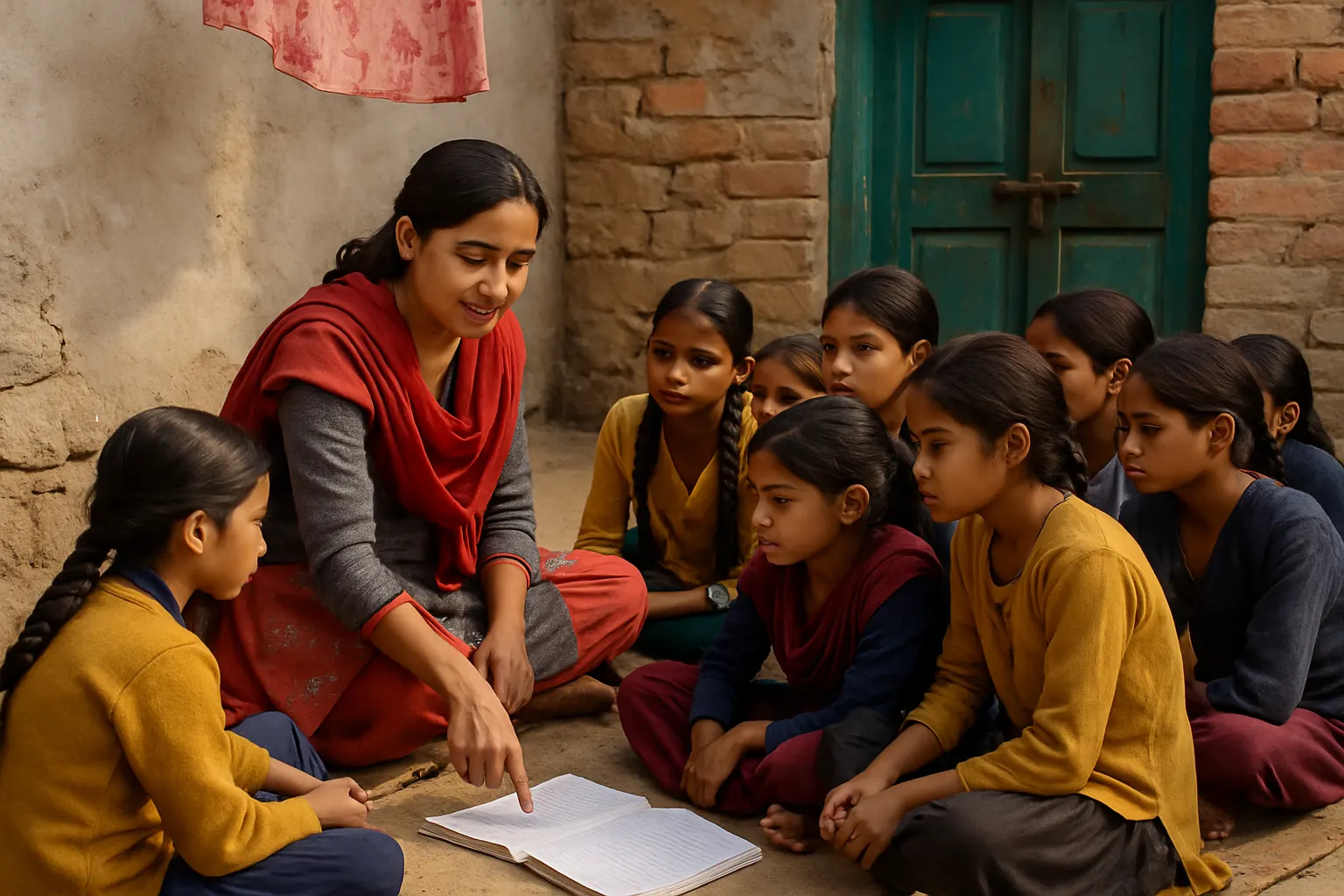
Rural communities often face barriers to consistent formal schooling: seasonal migration, limited local resources, and geographic constraints. Non-formal education (NFE) provides flexible, locally adapted learning opportunities that complement formal schools and support out-of-school children, adolescents, and adult learners.
Key practical steps communities and grassroots organizations can take include:
- Community learning hubs: Use existing community spaces (school rooms after hours, panchayat halls) to run evening or weekend classes aligned with local schedules.
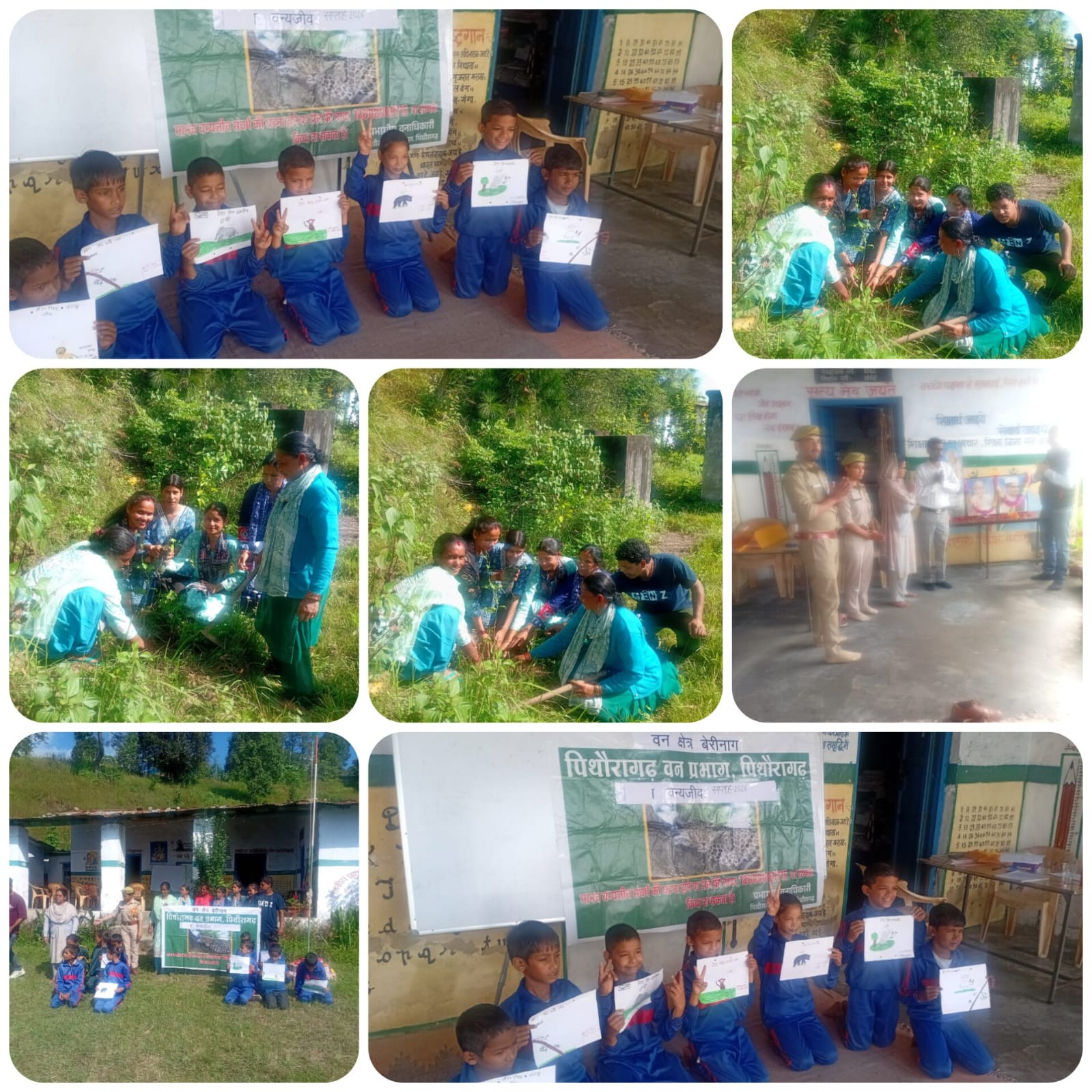
- Localized curricula: Adapt basic literacy, numeracy, and life-skill modules to local contexts — include language, livelihood-relevant content, and environmental awareness.
- Training local facilitators: Identify motivated community members and provide short training courses that emphasize participatory teaching methods and continuous peer support.
- Flexible schedules: Offer modular classes that accommodate agricultural calendars and household responsibilities, enabling higher retention.
- Parental and community engagement: Regular community meetings to communicate the benefits of NFE and involve families in planning increases acceptance and attendance.
- Linkages with formal schools: Coordinate with local schools to recognize progress and create pathways for learners to transition into formal schooling where appropriate.
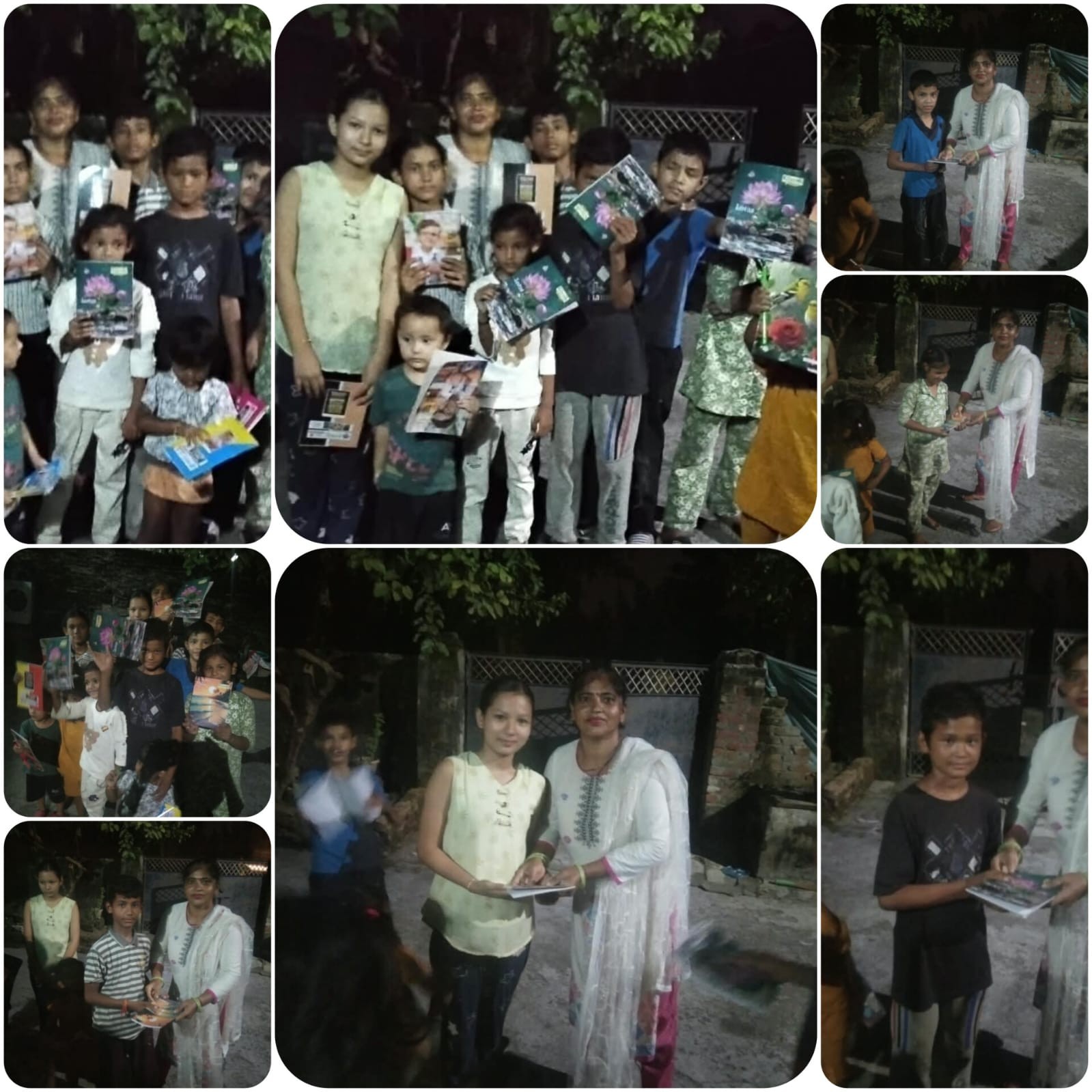
- Use of low-cost materials: Employ visual aids, locally produced materials, and simple assessment tools to track learner progress without heavy infrastructure costs.
Monitoring and iterative improvement are essential: collect simple attendance and learning outcome data, solicit learner feedback, and adapt methods accordingly. When implemented with respect for local knowledge and schedules, NFE can significantly expand learning opportunities and strengthen long-term educational outcomes in rural Uttarakhand.