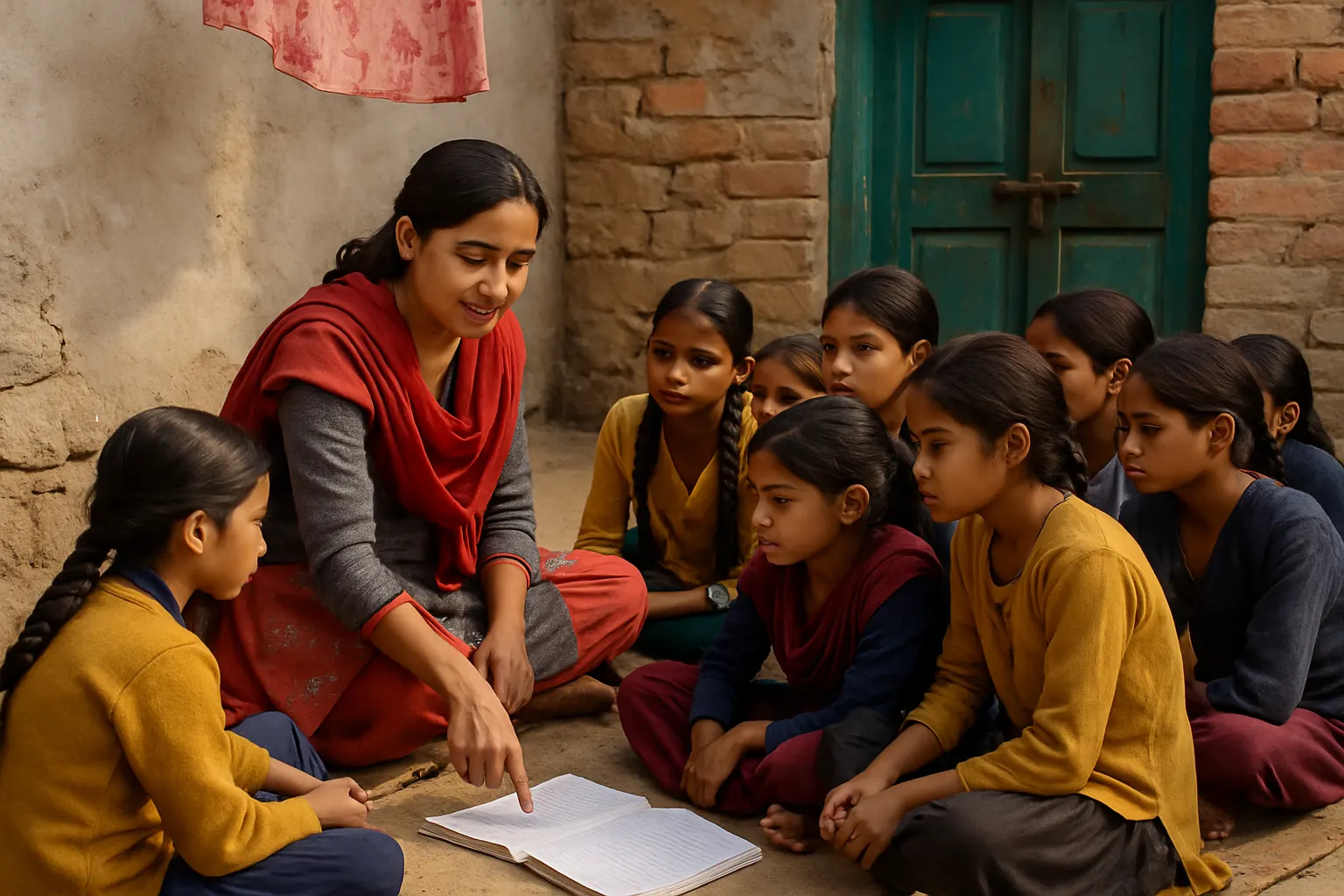
Women’s self-help groups (SHGs) are a proven grassroots model for building financial resilience, social support, and collective action. For rural communities, a simple, stepwise approach helps ensure sustainability.
Steps to start and sustain a women’s SHG:
- Initial meeting and shared purpose: Bring interested women together to discuss common needs — savings, credit, skill training, or joint production.
- Group size and norms: Form groups of 10–20 members. Agree on meeting frequency, contribution amount, record-keeping, and basic conflict-resolution norms.
- Capacity building: Provide short training on group management, savings bookkeeping, basic banking, and leadership rotation to build local ownership.
- Savings and internal lending: Start regular small savings contributions. Create an internal lending mechanism with clear rules for loans, interest, and repayment schedules.
- Linkages and value addition: Identify marketable skills among members (handicrafts, food processing, tailoring). Plan small-scale value-added products and explore local market linkages or collection points.
- Financial literacy: Teach simple budgeting, cost calculation, and basic pricing to support enterprise activities.
- Networking and federation: After initial consolidation, consider networking multiple SHGs for shared procurement, bulk marketing, or collective bargaining.
Regular reflection, transparent record-keeping, and inclusive leadership rotation are critical for trust and longevity. SHGs that combine savings discipline with skill development and local market understanding can gradually build stronger household incomes and community agency.